9+ curated guides • Updated November 2025
Close your eyes and picture 'garnet jewelry'. You’re probably seeing a deep, wine-red stone, the reliable birthstone of January, right? What if we told you that the most coveted and valuable garnets in the world aren't red at all, but are found in a rainbow of shocking colors from electric green to fiery orange, each with a story as rich as its hue. As a gemologist who has tracked these stones from mine to market, I invite you to forget everything you know about the humble red garnet. We're embarking on a journey to meet its far more exotic, vibrant, and valuable relatives—the true superstars of the garnet family.
You grab them every morning and toss them on the counter every night, rarely giving them a second thought. But that small cluster of metal and leather is your most frequent first impression—a silent handshake that signals your status, your values, and your eye for detail long before your watch or shoes ever get noticed. Men invest thousands in a timepiece or a pair of Goodyear-welted shoes, believing these are the primary signifiers of their success. They’re mistaken. The watch is for the scheduled meeting; the keyring is for the spontaneous coffee. It’s the unguarded accessory, the one revealed in casual, authentic moments. And in those moments, it speaks volumes. It is, without question, the most underestimated tool in your personal branding arsenal, and it’s time we treated it with the strategic respect it deserves.
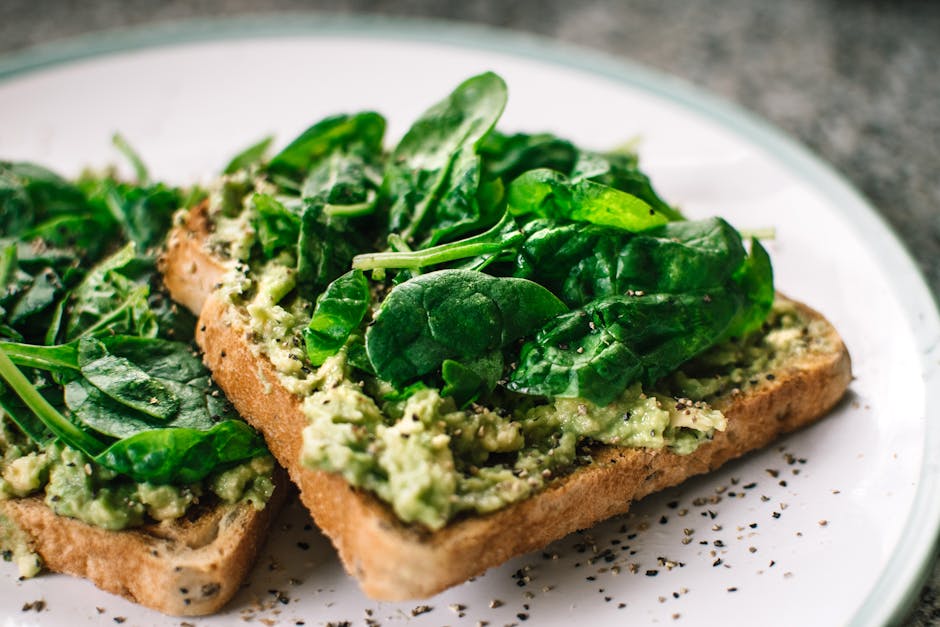
You might think that $15 avocado toast is just an overpriced brunch staple. But what if it's actually a powerful economic signal, telling you everything from local inflation rates to the future of a neighborhood? Forget the Big Mac Index; we're exploring why this simple dish has become the most revealing financial barometer on the menu. This analysis moves beyond the recipe to decode the economic data baked into every slice. We will dissect the three core components of its price—the agricultural volatility of the avocado itself, the premium on artisanal goods, and the crushing overhead of urban real estate and labor. By understanding these inputs, we can use the final price tag as a surprisingly accurate, real-time indicator of a city's economic health, its gentrification trajectory, and the sophistication of its local supply chain.
We mark the passing of public figures with tributes and headlines, but their departure is no longer the final word. In an era of eternal online archives, what happens when a star's feed goes silent? This month, we look beyond the obituaries to explore who becomes the ghost in the machine, curating a celebrity's digital afterlife for millions of followers. This isn't just about memorializing; it's about the active, often contentious, construction of a permanent online legacy. We're moving past the simple R.I.P. to ask: Who holds the keys to a star's digital kingdom, and what are their intentions?
You grab your keys every single day without a second thought—a jumble of metal that unlocks your life. But what if that functional object also held the key to your most cherished memories? The Pandora keyring is more than just a stylish way to avoid losing your car keys; it's a quiet revolution in how we carry our stories with us, moving our most precious emblems from the delicate wrist to the durable reality of our daily grind. This is not a demotion for our treasured charms; it is, in fact, their ultimate promotion. It’s the philosophical shift from storytelling as performance to storytelling as an integrated, resilient part of our very being.
We picture pearls as pure gifts from the sea, the epitome of natural elegance. Yet, beneath the ocean's surface lies a fierce debate: Are the oyster farms that produce these gems vital eco-sanctuaries, or are they disrupting fragile marine life? Before you clasp that necklace, let's dive into the murky waters of the pearl industry's true environmental cost. This isn't a simple story of good versus evil; it's a complex narrative of ecological symbiosis and commercial exploitation, where the line between guardian and disruptor is as fluid as the tides themselves. The choice you make as a consumer has ripples you may not even see.
That perfectly curated meal prep box promises to solve everything: your hectic schedule, your dinner dilemmas, and your health goals. But before you click 'subscribe' on the promise of effortless eating, it's time to look past the price tag and ask what you're really paying for. The weekly fee is just the cover charge. The real admission price is paid in single-use plastic, nutritional compromises, and the slow erosion of one of life's most fundamental skills: feeding yourself. We're here to pull back the curtain on the glossy marketing and examine the inconvenient truths packed inside that convenient little box.
The flaming onion volcano erupts and the shrimp tail flips perfectly into a chef's hat. But between the dazzling knife work and flying food, are you witnessing true culinary artistry or just a well-rehearsed dinner theater act? This guide decodes the subtle signs that separate a teppanyaki master from a mere performer, transforming your search for 'hibachi near me' into a quest for an authentic master.
When you picture an iconic redhead, names like Emma Stone, Christina Hendricks, and Amy Adams likely come to mind. Yet, Hollywood's most powerful secret is that some of its most famous redheads were never red at all. This isn't just about a color choice; it's a calculated career move that transforms actors into unforgettable brands. In an industry saturated with talent, standing out is not an advantage—it's a prerequisite for survival. The Auburn Deception is a masterclass in personal branding, a deliberate pivot away from the commonality of blonde or brunette hair to occupy a rare and psychologically potent niche. By adopting the fiery locks of a redhead, these performers didn't just change their look; they changed their narrative, their archetype, and ultimately, their career trajectory from predictable to iconic.